










|
Dettagli:
|
|
| Luogo di origine: | MADE IN CHINA |
|---|---|
| Marca: | BTUTEST |
| Certificazione: | SGS, INTERTEK |
| Numero di modello: | BTU-TRA-1 |
|
Termini di pagamento e spedizione:
|
|
| Quantità di ordine minimo: | 1 insieme |
| Prezzo: | Negoziabile |
| Imballaggi particolari: | Scatola di legno dell'esportazione standard dell'apparecchiatura di collaudo del suolo |
| Tempi di consegna: | 6 giorni dopo il pagamento |
| Termini di pagamento: | L/C, D/A, D/P, T/T, Western Union |
| Capacità di alimentazione: | 100 set al mese |
|
Informazioni dettagliate |
|||
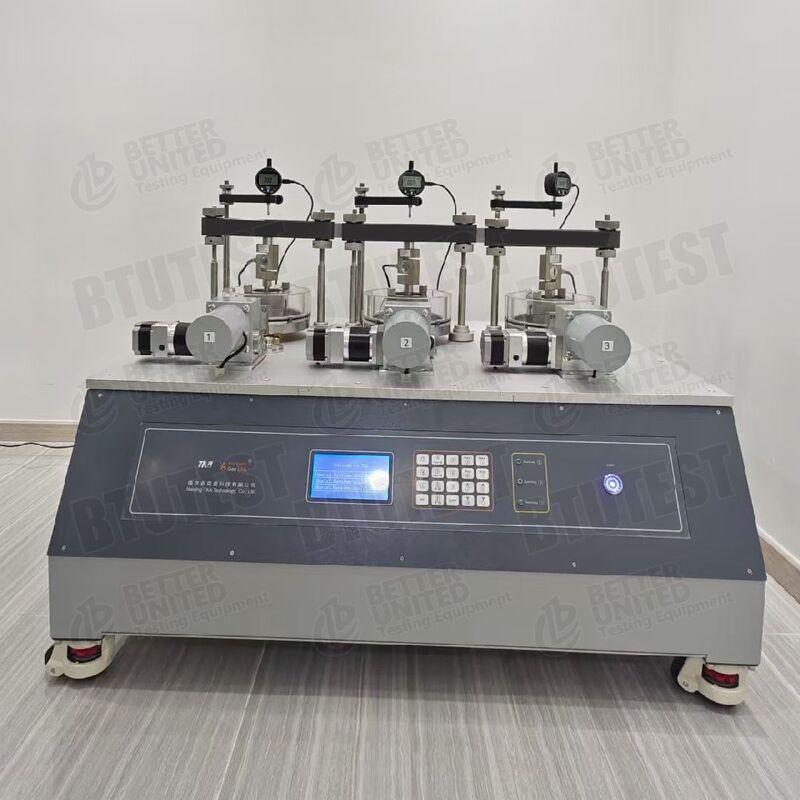
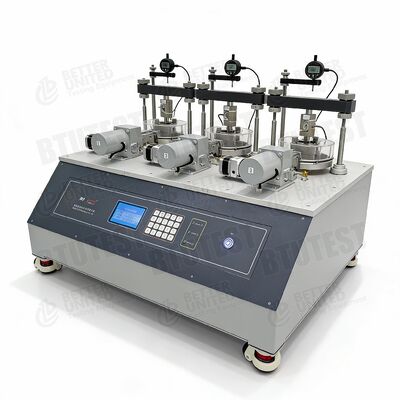
| Nome: | Apparato triassiale su larga scala per terreni a grana grossa | Garanzia: | 1 anno |
|---|---|---|---|
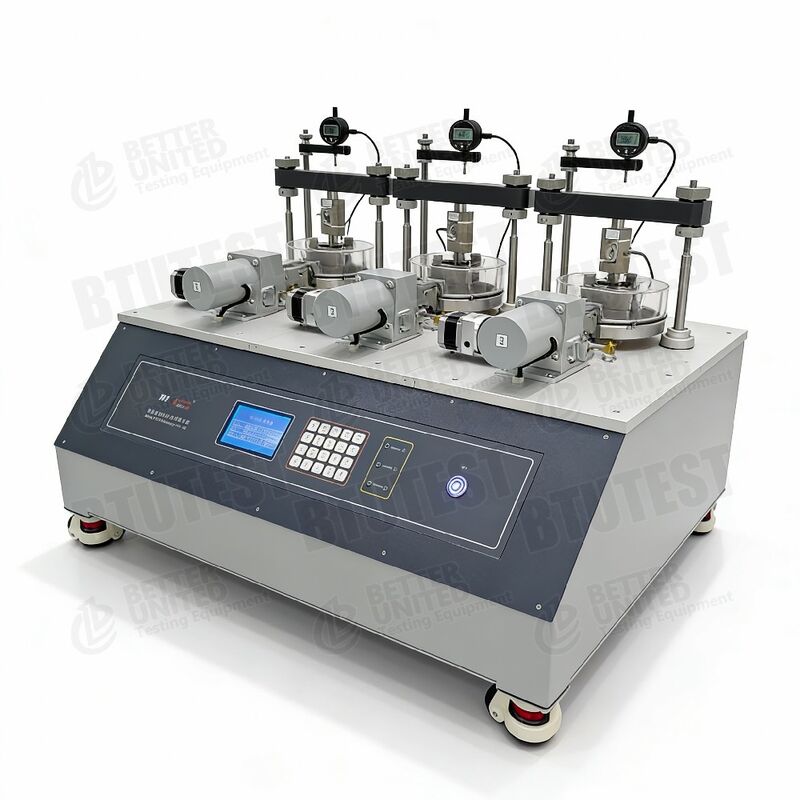
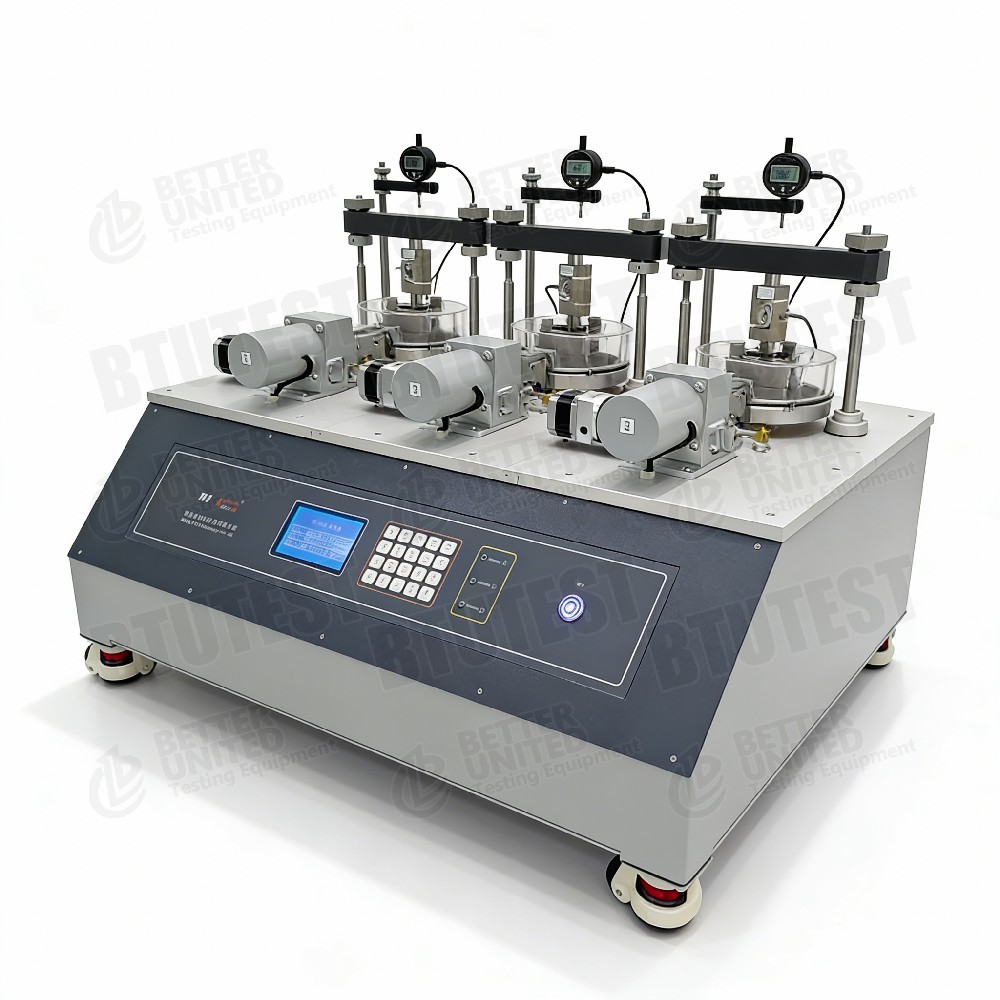
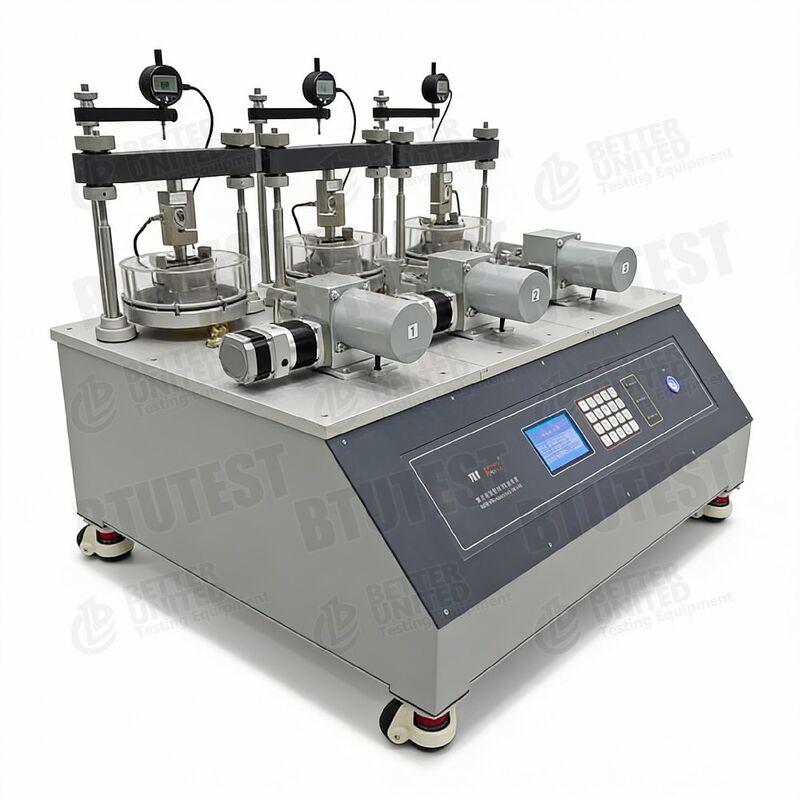
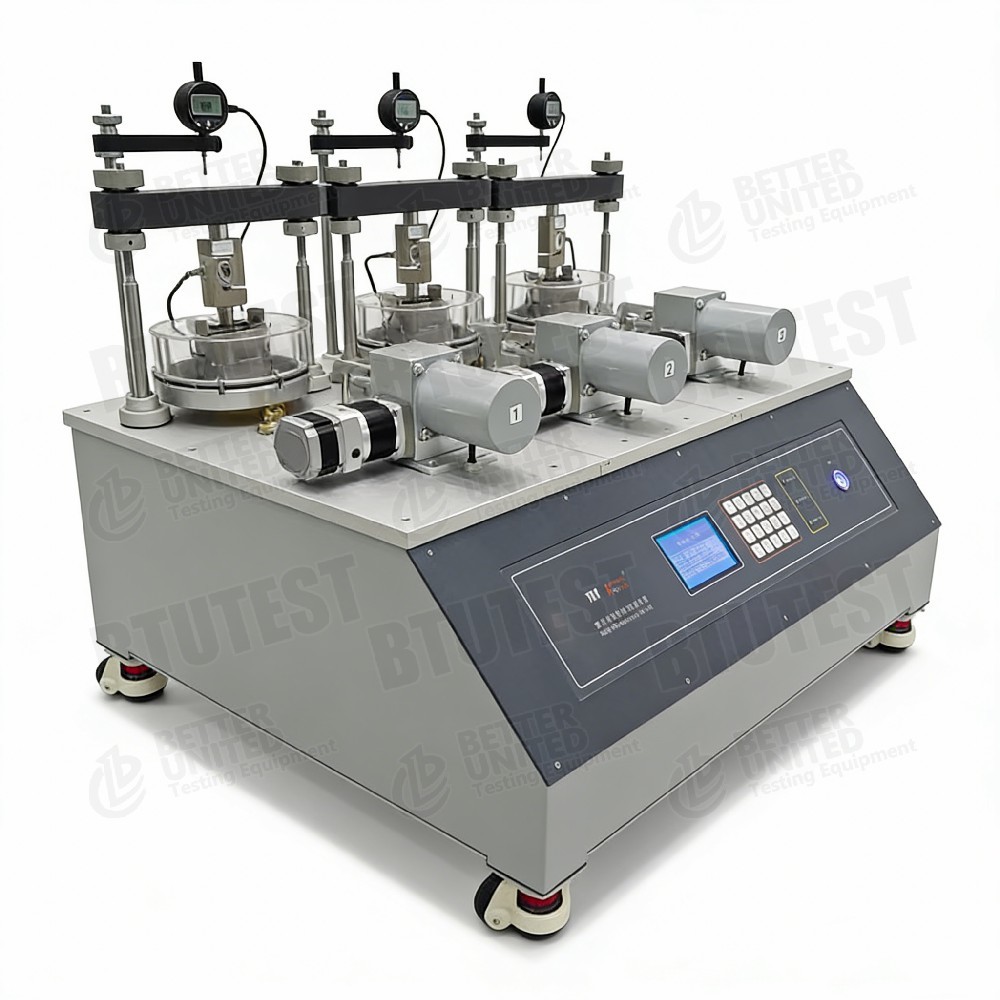
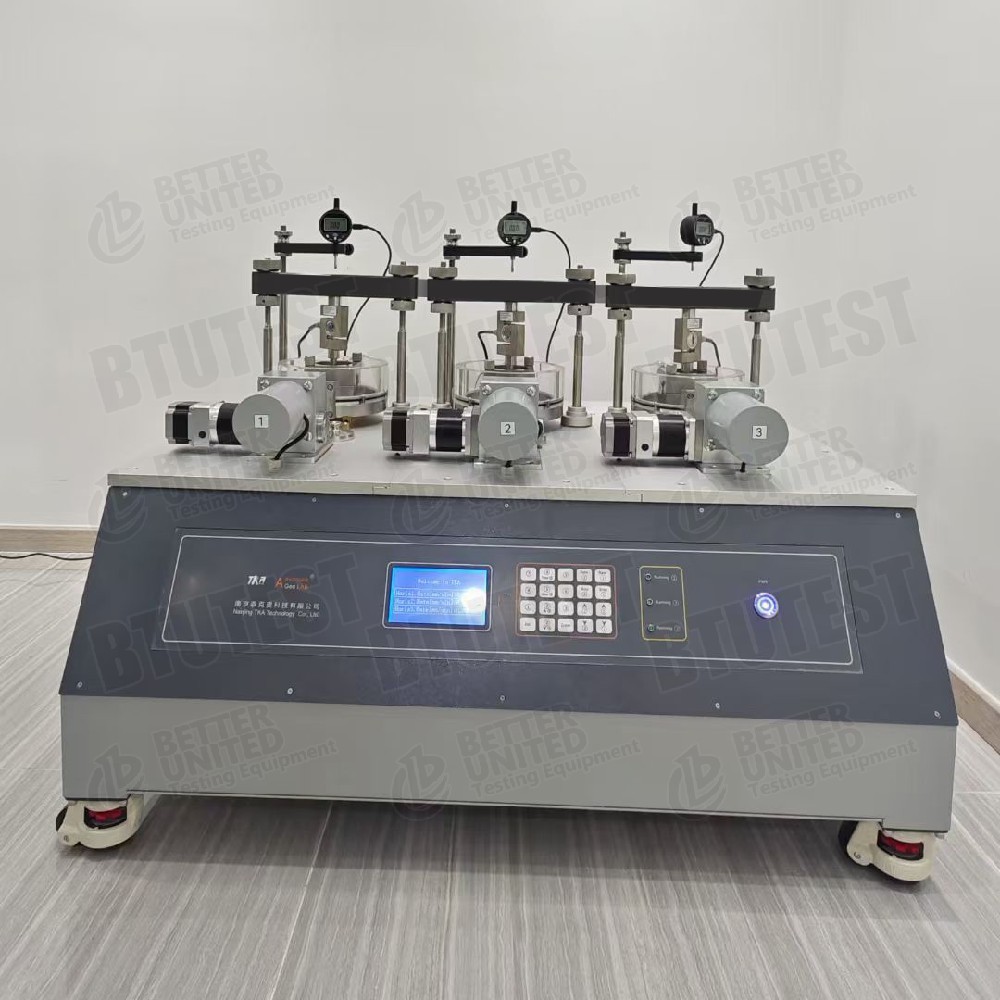
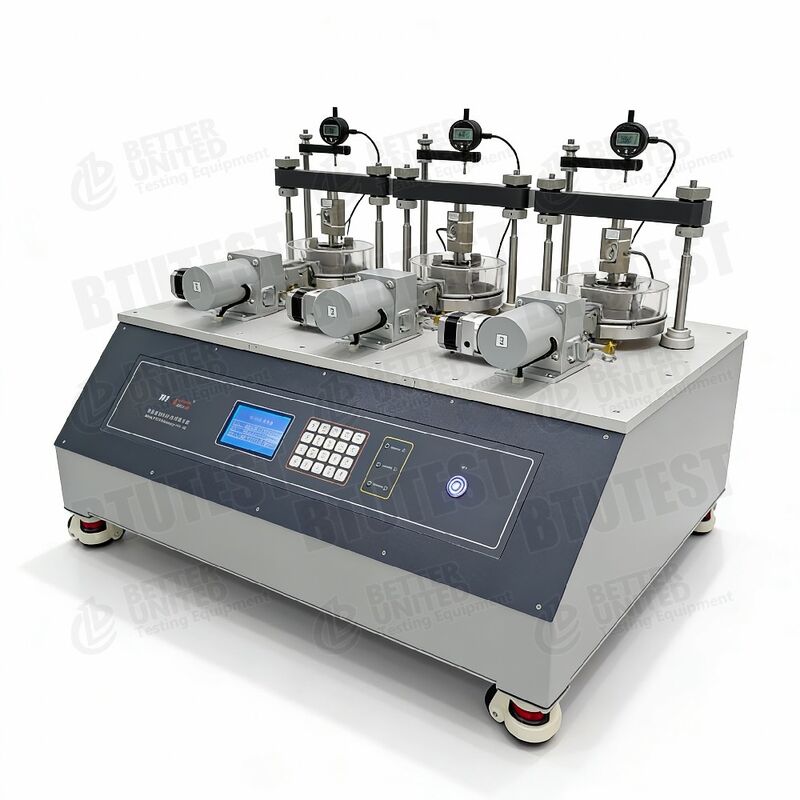
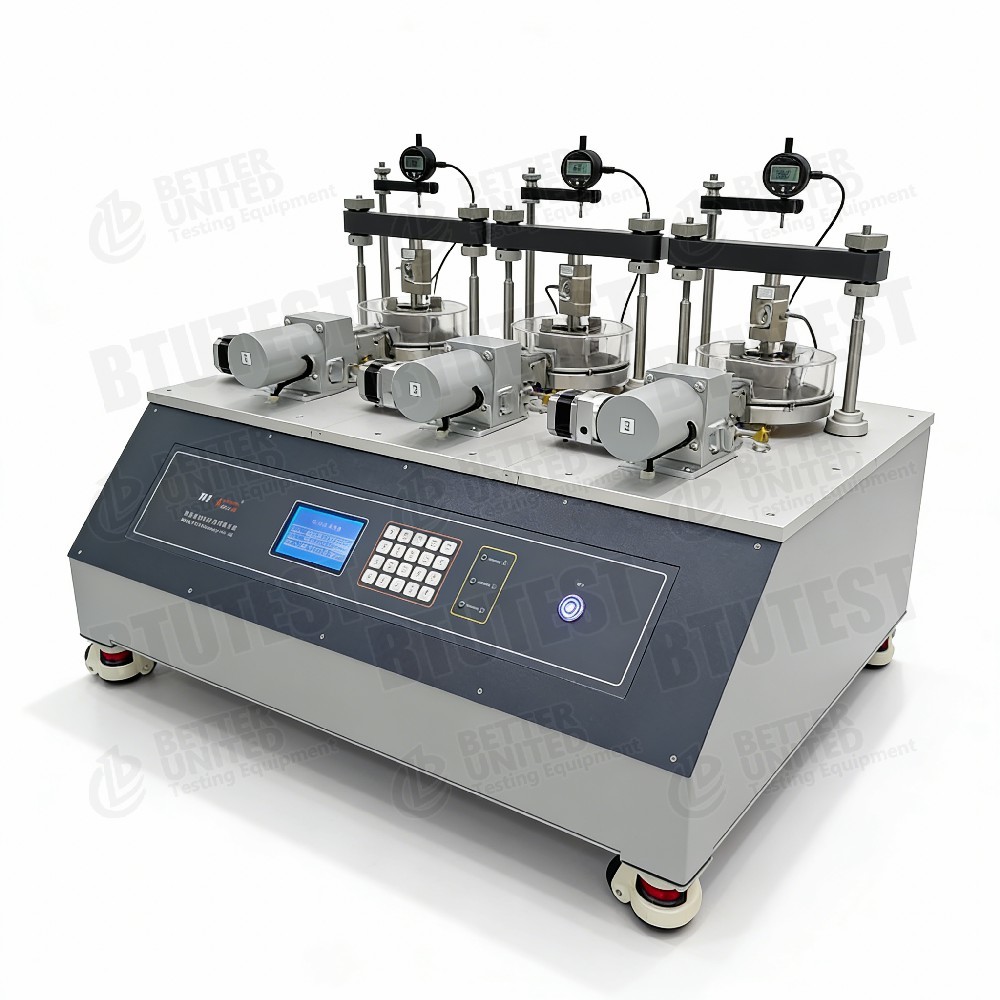
| nome dello strumento: | Triplo apparato reologico a taglio diretto | Numero di campioni: | Triplicare |
| Dimensioni del campione (mm): | Φ61,8×H20 | Tasso di taglio (mm/min): | 0,00001-6 |
Descrizione di prodotto
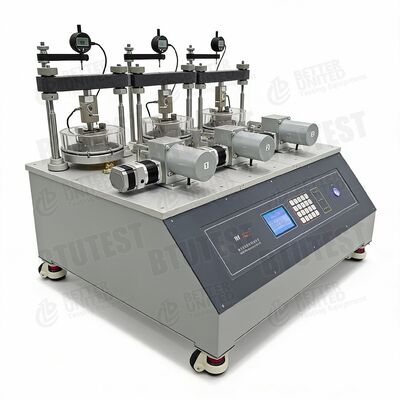
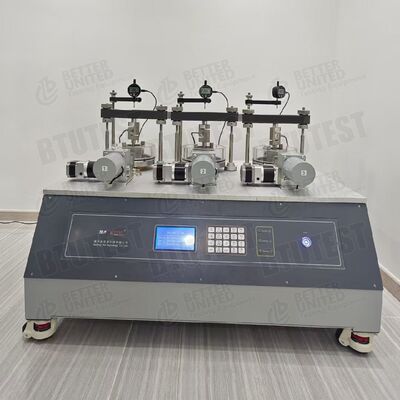
Questa serie è composta da:apparecchi di taglio diretto triplo reologico, modelliBTU- TRA-1,BTU- TRA-2,BTU- TRA-3, progettato per la prova simultanea di taglio diretto di tre campioni, con particolare idoneità per studi reologici (sciuppo).I tre modelli si differenziano principalmente per livello di automazione e metodo di acquisizione dei dati:
Caratteristiche comuni:
L'apparecchiatura soddisfa i requisiti di queste norme per la velocità di taglio, il controllo delle sollecitazioni normali e la misurazione dello spostamento.
| Parametro | BTU- TRA-1 | BTU- TRA-2 | BTU- TRA-3 |
| Nome dello strumento | Apparecchi di taglio diretto triplo reologico | Apparecchio di taglio diretto triplo reologico (con acquisizione dei dati) | Apparecchi di taglio diretto triplo reologico completamente automatici |
| Numero di esemplari | Triplice | Triplice | Triplice |
| Dimensione del campione (mm) | Φ61,8 × H20 | Φ61,8 × H20 | Φ61,8 × H20 |
| Velocità di taglio (mm/min) | 0.00001-6 | 0.00001-6 | 0.00001-6 |
| Max. tensione normale (MPa) | 0.4 | 0.4 | 0.4 |
| Max. sollecitazione di taglio (MPa) | 0.4 | 0.4 | 0.8 |
| Metodo di carico normale | Carico della leva (ratio 12:1) | Carico della leva (12:1) | Servo a circuito chiuso |
| Metodo di visualizzazione | tastiera a membrana a 20 tasti + LCD 240×128 + indicatori LED a 4 canali | ||
| Sensori | 3 celle di carico, 3 spostamenti | 3 celle di carico, 3 spostamenti | 6 celle di carico, 3 spostamenti |
| Metodo di acquisizione | Display LCD (lettura manuale) | Acquisizione dei dati (automatica) | Servo a circuito chiuso (controllo automatico completo + acquisizione) |
| Moduli di prova | Taglia diretta, taglia ciclica, taglia diretta reologica | Consolidazione standard, taglio diretto, taglio ciclico, taglio diretto reologico | Consolidazione standard, taglio diretto, taglio ciclico, taglio diretto reologico |
| Opzioni di aggiornamento successive | Controllo della temperatura (0~+90°C), alta pressione (1,6 MPa) | ||
Selezionare il modello in base ai requisiti di prova e al budget:
| Requisito | Modello raccomandato | Motivo |
| Insegnamento di base o prove occasionali, lettura manuale accettabile | BTU-TRA-1 | Costo più basso, carica della leva, nessun computer necessario |
| Necessità di registrazione automatica dei dati ma caricamento normale manuale ancora accettabile | BTU-TRA-2 | L'acquisizione automatica di dati riduce gli errori umani, un buon rendimento dei costi |
| Necessità di un controllo completamente automatico (stress path, ciclico, reologico con caricamento automatico) | BTU-TRA-3 | Servo a circuito chiuso, prove complesse programmabili, alta precisione |
| Test di striscio a lungo termine che richiedono una registrazione automatica | TRA-2 o TRA-3 | Essenziale acquisizione automatica |
| Controllo della temperatura necessario (0~90°C) | Qualsiasi modello + aggiornamento della temperatura | Può essere aggiunto in seguito |
| Occorre una tensione normale superiore (> 0,4 MPa) | Qualsiasi modello + aggiornamento ad alta pressione (1,6 MPa) | L'aggiornamento consente di testare terreni più rigidi |
| Solo taglio diretto di routine, senza reologia o ciclico | Considerare un apparecchio di taglio diretto convenzionale | Costo inferiore |
| Bilancio limitato ma potenziale di futuro miglioramento | Acquista TRA-2 prima, poi aggiorna temperatura/pressione o software | Progettazione modulare |
Nota: il sistema servo a circuito chiuso del TRA-3 controlla automaticamente lo stress normale, che è molto utile per mantenere lo stress costante durante i test di scorrere.TRA-3 è fortemente raccomandato.
Esempio:Prova di taglio a scarico su terreno molle (tensione normale costante) con l'apparecchio di taglio diretto triplo reologico completamente automatico (BTU-TRA-3)
Per TRA-1 o TRA-2:
Riassunto:L'apparecchio di taglio diretto triplo reologico della serie BTU-TRA offre tre configurazioni, dal carico manuale della leva al servo-circuito chiuso completamente automatico.e test reologici (scivolamento) su terreni molliLa tripla progettazione migliora notevolmente l'efficienza. La selezione dovrebbe essere basata sulle esigenze di acquisizione dei dati, sul livello di automazione e sul budget.Le modifiche successive includono il controllo della temperatura (0~90 °C) e l'alta pressione (1.6 MPa) per ampliare la gamma di applicazioni.
Entri nel vostro messaggio

Provi il nostro meglio, faccia le cose meglio. La gente in primo luogo, produttività innovatrice, soluzioni comuni
| Hebei Better United Import And Export Co., Ltd. |
| Città di Hejie, contea di Xianxian, città di Cangzhou, provincia di Hebei, Cina |
| 86-151-2879-5929 |
| sales@btutest.com |